
Extremophiles: The Unexpected Impact of Astrobiology on Medicine and Drug Development

Astrobiology, the study of the universe's origin, evolution, distribution, and future of life, has far-reaching implications beyond the search for extraterrestrial life. One of astrobiology research's most significant and unexpected impacts is in medicine and drug development.
The Role of Extremophiles
Extremophiles, organisms that thrive in extreme environments, have captured the attention of scientists due to their unique adaptations. By studying these organisms, researchers have gained valuable insights into the limits of life and the potential for developing novel drugs and therapies.
Case Study: The Tardigrade
Tardigrades, often called water bears, are microscopic organisms that can survive in extreme conditions, including the vacuum of space. These resilient creatures possess remarkable abilities, such as entering a state of suspended animation known as cryptobiosis. By studying the mechanisms that allow tardigrades to survive such harsh conditions, scientists have gained insights into potential strategies for preserving human cells and tissues.
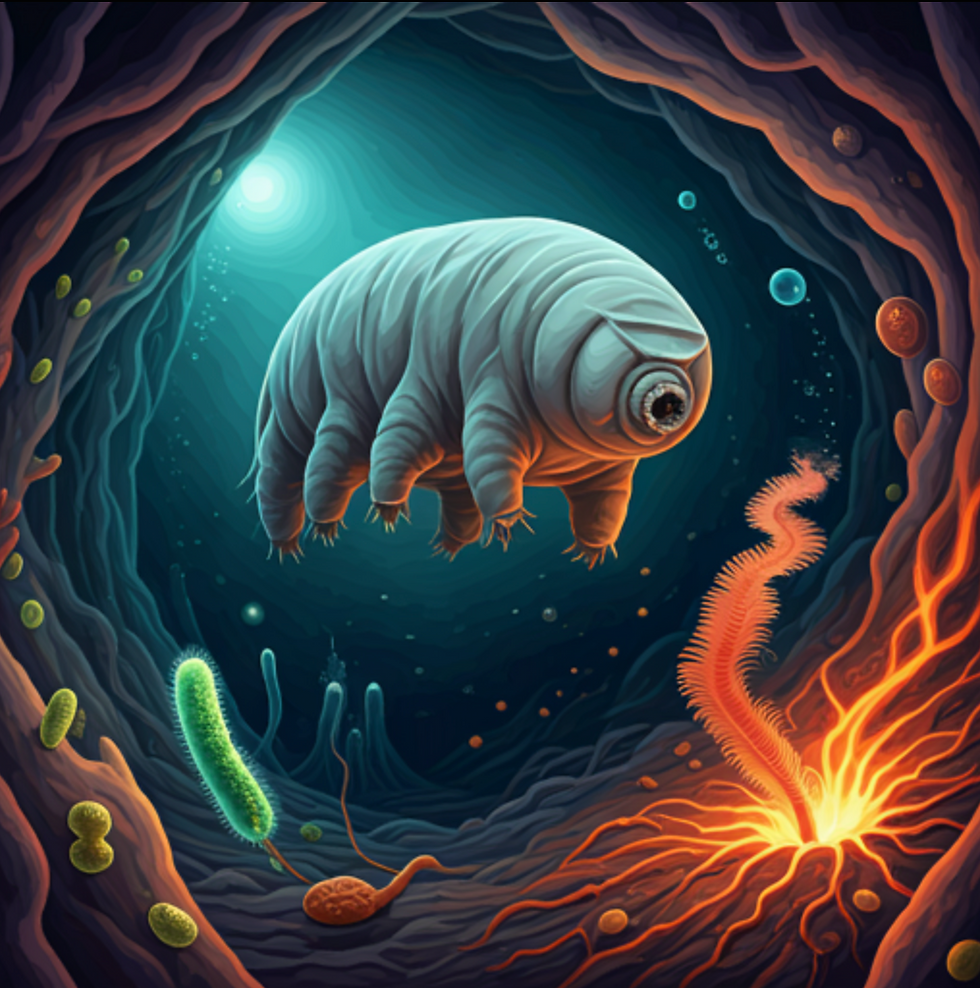
Visual: The Tardigrade can survive in space for several days in its dormant state.
Applications in Medicine and Drug Development
Enzyme Discovery: Extremophiles often produce stable and active enzymes under extreme conditions, such as high temperatures or high pressure. These enzymes have potential applications in various industries, including biotechnology and biomedicine. For example, enzymes from thermophilic bacteria can be used in industrial processes like laundry detergents and food production.
Drug Development: By studying the unique metabolic pathways of extremophiles, researchers can identify novel drug targets and develop new therapeutic agents. For example, studying the DNA repair mechanisms of extremophiles can lead to the development of new cancer treatments.
Biotechnology: Extremophiles can be used to produce biofuels, bioplastics, and other sustainable products. We can develop more efficient and environmentally friendly technologies by understanding how these organisms adapt to extreme environments.
Leading Researchers in Extremophile Research
Dr. Felisa Wolfe-Simon: A geomicrobiologist at the NASA Astrobiology Institute, Dr. Wolfe-Simon has made significant contributions to the study of extremophiles, particularly those that thrive in extreme environments such as the Atacama Desert and the deep sea. Her research has led to the discovery of novel microorganisms with unique metabolic capabilities.
Dr. Evelyn Fox Keller: A renowned historian and philosopher of science, Dr. Keller has explored scientific research's cultural and social implications, including the study of extremophiles. Her work has shed light on how scientific knowledge is produced and disseminated.
Dr. Rosie Redfield: A microbiologist at the University of British Columbia, Dr. Redfield has made significant contributions to the study of microbial ecology and the origins of life. Her research on extremophiles has provided valuable insights into the limits of life and the potential for life beyond Earth.
The Future of Astrobiology and Medicine
As astrobiology advances, we can expect even more groundbreaking discoveries that will profoundly impact medicine and drug development. By studying the limits of life, we can push the boundaries of human knowledge and improve the quality of life on Earth.
Questions for Further Exploration
Ethical Implications: As we gain a deeper understanding of the origins of life and the potential for extraterrestrial life, what are the ethical implications of our discoveries?
Interdisciplinary Collaboration: How can we foster collaboration between astrobiologists, biologists, chemists, and engineers to accelerate scientific progress?
Public Engagement: How can we effectively communicate the excitement and importance of astrobiology research to the public?
Future Missions: What are the most promising future missions for astrobiology research, and what new discoveries might they uncover?


Me pareció muy interesante este artículo porque presenta la información de manera clara y sencilla. Estaba buscando información sobre magis tv y encontré detalles útiles para comprender mejor sus características. Este contenido resulta práctico para quienes desean conocer diferentes opciones de entretenimiento y revisar información importante antes de utilizar cualquier servicio digital.
Trump threatens 99 Club new tariffs on European allies over Greenland until deal reached, as thousands protest...........
C'est fascinant de voir comment ces organismes extrêmes pourraient révolutionner nos futurs médicaments. Quel sujet passionnant pour la science moderne. https://franches-terres.fr/ (
seems good👍
Mình có lần lướt đọc mấy trao đổi trên mạng thì thấy nhắc tớiشيخ روحاني nên cũng tò mò mở ra xem thử cho biết. Mình không tìm hiểu sâuرقم شيخ روحاني, chỉ xem qua trong thời gian ngắn để quan sát bố cụcرقم شيخ روحاني cách sắp xếp các mục và trình bày nội dung tổng thể. Cảm giác là các phần được trình bày khá gọn, các mục rõ ràng nên đọc lướt cũng không bị rối Berlinintim, với mình như vậy là đủ để nắm شيخ روحاني مضمون tin cơ bản rồi.